
Justifying DAM costs
Digital asset management (DAM) systems streamline the organization, storage and retrieval of digital assets, playing a critical role in modern business operations. Evaluating the return on investment (ROI) of these systems is crucial for understanding their effectiveness and justifying their costs.
What is the ROI of a DAM system?
ROI measures the financial return derived from the investment in a DAM system. It highlights the benefits and value that these systems bring by quantifying its impact to an organization. Measuring ROI provides a clear financial measurement of the DAM system's impact.
How to measure the ROI of a DAM
There are two primary methods for measuring the ROI of a DAM system, each offering unique insights into the system's value and efficiency.
Cost-saving method
This method calculates ROI by comparing the costs of managing digital assets with and without a DAM system, emphasizing the reduction in expenses associated with DAM:

Incremental revenue method
Use this formula to assess additional revenue generated from using a DAM system, focusing on the financial gains realized through improved marketing and operational efficiency:

Examples with figures
Let’s consider a company that saves four hours per week per employee due to DAM implementation. The company has 10 employees who are paid an hourly rate of $50.
The cost-saving calculation:
4 hours per week x 10 employees = 40 hours saved per week
40 hours/week x $50/hour = $2,000/week
$2,000 per week x 52 weeks a year = $104,000/year
Adding the savings from reduced asset loss, assuming 15% of assets valued at $303,000 are saved, leads to an additional $45,450 per year in savings.
Thus, the total annual savings are calculated as:
$104,000 + $45,450 = $149,450

10 DAM vendors, 1 Omdia Universe report on DAM
This comprehensive DAM market report from Omdia analyzes 10 DAM vendors and details their strengths and limitations. Learn why Omdia named Hyland Nuxeo , which includes a DAM solution, a Leader and awarded it the maximum score for advanced capabilities and solution breadth.
Costs you can save by utilizing DAM
There are various ways to save costs by utilizing a DAM, each contributing to enhanced overall efficiency and reduced expenditure.
Time savings
DAM systems reduce the time spent on tasks such as:
Search time: Quick and efficient asset retrieval reduces the time spent hunting for files.
Approval processes: Streamlining workflows for faster approvals ensures projects move forward without unnecessary delays and helps cut down on bottlenecks, keeping projects on schedule.
Asset retrieval: Easy access to organized digital assets enables teams to quickly locate and utilize necessary materials, minimizing downtime and enhancing productivity.
Creation and reproduction costs
The use of DAM systems helps avoid unnecessary costs by:
Avoiding redundancy: By centralizing assets, duplicated asset creation is eliminated, ensuring resources are used efficiently.
Reusing existing assets: Utilizing existing assets for new projects saves time and costs associated with developing new assets from scratch.
Operational costs
Operational expenses are minimized through:
Storage costs: By reducing the need for physical storage space, organizations can cut down on overhead expenses.
License and royalty costs: Proper DAM management ensures all assets are used legally, avoiding unnecessary expenses and compliance issues.
Error reduction costs
Error-related costs are decreased by:
Minimizing mistakes: A centralized system reduces the risk of using outdated or incorrect assets, leading to smoother operations and fewer setbacks.
Compliance and legal costs: Through automated compliance checks, assets are sure to meet legal standards and lower compliance costs, protecting the business from potential fines and costly legal issues.
Training and maintenance costs
Training and maintenance expenses are lowered by:
Efficient onboarding: Simplified user interfaces and training programs can help new users adopt the technology quickly and reduce downtime.
System maintenance: Regular updates and maintenance keep the system running efficiently with minimal disruption, decreasing the need for extensive IT support.
Advertising agency uses DAM to automate, manage rights and solve workflow challenges
TBWA used Hyland’s Nuxeo for DAM solution to consolidate all commercial archives across the world into regional DAM systems — uniting over 300 decentralized agencies.
It went on to use the platform’s AI capabilities to auto-tag more than half-a-million existing user-generated content assets, plus thousands more that arrive every day. It also implemented an agency-wide intake workflow that streamlined the ingestion of assets.
How to maximize the DAM ROI
Although DAM helps with cost savings, additional methods can further maximize its ROI.
Organize and tag assets effectively
Proper metadata and tagging are crucial for asset organization. Best practices include consistent metadata standards and clear tagging. Consistency in tagging assets improves productivity levels as less time is spent searching for files.
Integrate with other systems
Integrating DAM with other enterprise systems like CRMs and ERPs can enhance overall efficiency. Useful integrations include marketing automation platforms and content management systems.
These integrations streamline workflows by allowing seamless data exchange between systems, reducing the manual data entry and errors. Moreover, integrated systems provide a unified view of data, helping in better decision-making and strategic planning.
Regularly update and audit the DAM
Keeping the DAM system updated ensures optimal performance. Regular audits help identify and rectify inefficiencies, ensuring the system evolves with organizational needs.
Updates often include new features and security patches that keep the system robust and secure. Audits provide an opportunity to reassess the system’s alignment with business objectives and make necessary adjustments.
Train your team
Effective DAM usage relies on proper training. Ongoing education and support for users are essential to fully leveraging the system's capabilities and ensuring consistent usage.
Training sessions should be conducted regularly to keep users updated on new features and best practices. A well-trained team uses the DAM system more efficiently, leading to better asset management and higher ROI.
> Learn more | Optimizing efficiency: Best practices in digital asset management (DAM)
Advanced features of DAM systems
Modern DAM systems offer advanced features that enhance functionality and efficiency. These are the top features:
Automation and artificial intelligence (AI) capabilities
Modern DAM systems incorporate AI to automate metadata tagging and asset categorization, creating a streamlined asset management process. AI-driven insights can help predict trends and optimize asset usage based on user behavior and preferences.
These capabilities save time and reduce the risk of human error, ensuring accurate and consistent asset management. Additionally, AI can enhance search functionality, making it easier for users to find and utilize assets quickly.
Version control and asset tracking
Users will always work with the most up-to-date versions of assets through version control, preventing confusion and mistakes. Asset tracking provides detailed records of asset usage, modifications and user interaction to enhance accountability, brand consistency and transparency.
This feature helps maintain a clear audit trail, which is crucial for compliance and quality control. Furthermore, it facilitates collaboration by allowing multiple users to access and work on assets without overwriting each other’s changes.
Enhanced security features
Top of the range security features protect digital assets from unauthorized access, theft and data breaches. This includes advanced encryption, multifactor authentication and role-based access controls to ensure that only authorized personnel can access sensitive information.
Security measures are critical for safeguarding intellectual property and complying with regulatory requirements. Through regular security updates and monitoring, potential threats can be detected and mitigated in real-time, further safeguarding the integrity and confidentiality of digital assets.
Future trends in DAM
The future of DAM is evolving. Watch out for these trends that will shape asset management:
Integration with emerging technologies
Future DAM systems will integrate with emerging technologies like augmented reality (AR)/virtual reality (VR), providing innovative ways to manage and use digital assets. This integration paves the way for interactive and immersive marketing campaigns to boost customer engagement and experience.
For instance, AR/VR can be used to create virtual product demonstrations or immersive brand experiences that capture the audience’s attention in interesting ways. Plus, these technologies can aid in training and development by providing realistic simulations and interactive learning environments.
Increased use of AI and machine learning (ML)
AI and ML will continue to evolve, offering sophisticated tools for asset management, such as predictive analytics and advanced content recommendation. These technologies will be capable of analyzing vast amounts of data to forecast trends, optimize asset usage and provide actionable insights.
An example of an AI-enabled DAM use case is searching through stock photos for images with specific attributes (person smiling, holding a mobile phone, wearing a hat, etc.), and not only presenting to the user images matching this criteria, but also including those images that were included in digital campaigns that performed well – had a high engagement score.
Greater emphasis on user experience
Future DAM solutions will focus on adoption and effectiveness, offering more intuitive interfaces, personalized and user-configurable dashboards and enhanced collaboration tools to make asset management more user-friendly.
Personalized dashboards will allow users to customize their workspace to fit their specific needs and preferences, improving productivity. Lastly, enhanced collaboration tools are guaranteed to facilitate better communication and coordination among team members, enabling quicker project completion through seamless workflows.
8 steps to successful DAM implementation
Implementing DAM is a strategic effort that requires careful planning and execution. The following steps can help get you started:
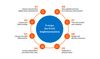
Step 1: Assess and prioritize digital asset requirements: Evaluate your digital assets and identify gaps and needs. Prioritize these requirements to ensure your DAM solution addresses the most important aspects first.
Step 2: Create your DAM strategy: Develop a comprehensive strategy that outlines goals, processes and key performance indicators (KPIs). This strategy will guide the implementation and ongoing management of your DAM system.
Step 3: Choose the right DAM solution: Select a DAM system that aligns with your specific needs and objectives. Consider factors such as scalability, integration capabilities and user-friendliness.
Step 4: Involve stakeholders and define their roles: Engage key stakeholders from various departments and ensure their needs are met. Clearly define roles and responsibilities to facilitate collaboration and accountability.
Step 5: Implement a phased rollout: Introduce the DAM system in phases to manage the transition smoothly. Start with a pilot phase, gather feedback and make necessary adjustments before full-scale deployment.
Step 6: Budget and allocate resources: Allocate sufficient budget and resources for the DAM implementation. Consider costs related to software, training and ongoing maintenance to ensure long-term success.
Step 7: Train and monitor user adoption: Provide comprehensive training for all users to ensure they understand how to use the DAM system effectively. Continuously monitor adoption rates and address any challenges that arise.
Step 8: Stay updated and look for continuous improvement: Regularly update the DAM system to incorporate new features and improvements. Conduct periodic audits and gather user feedback to continuously enhance the system's performance and effectiveness.
> Learn more | The ultimate guide to digital asset management (DAM) implementation
The value of an AI-powered DAM solution
AI enhances DAM systems by automating processes and improving efficiency. Benefits include:
Automation of metadata tagging and asset categorization
Improved search capabilities with AI-driven insights
Enhanced security features to protect digital assets
Predictive analytics for content performance
Personalized user experience
Streamlined content creation workflows

Hyland’s AI-powered DAM solution Modernize your asset management approach
Leverage AI, automation and cloud-native architecture to centralize and optimize digital asset storage. Enjoy benefits like streamlined collaboration, faster time-to-market, enhanced security and consistent branding, ensuring your organization always has access to its latest assets.
Maximizing ROI with effective DAM implementation
Implementing a DAM system is a strategic investment that can significantly enhance business operations. By focusing on maximizing DAM ROI through proper organization, integration and continuous improvement, businesses can ensure their DAM system delivers optimal value.
Leveraging advanced features and staying ahead of industry trends will keep your DAM practices efficient and effective. These technologies not only streamline processes but also empower organizations like yours to adapt quickly, stay competitive and deliver exceptional results in today's fast-paced business environment.

Article
Everything you need to know about digital asset management (DAM)
Uncover the fundamentals, functions and benefits of DAM systems to optimize your digital workflows and elevate your organization's asset management strategy.

Article
Understanding the digital asset management (DAM) process flow
Learn the core components and best practices for implementing seamless digital asset management processes, and how AI plays an integral part.

Article
Choosing Open Source DAM Software for Your Needs
Open source digital asset management (DAM) systems are catching the eye of more and more IT teams. Their open API model allow teams to solve infinite problems without adding tools or expensive customization.