
The need for DAM
From marketing collateral and brand assets to multimedia files, organizations grapple with the efficient organization, retrieval and distribution of their digital resources.
A report by the McKinsey Global Institute found that employees spend an average of 1.8 hours each day and 9.3 hours a week searching and gathering information. As the volume of digital content continues to grow in today’s fast-paced digital era, the need for a robust digital asset management (DAM) solution becomes increasingly crucial.
In this guide, we dive into the intricacies of implementing a DAM system. Discover actionable insights on key strategies and steps for a successful DAM implementation. Learn from real-world examples of organizations that have effectively integrated DAM solutions into their workflows.
What is DAM implementation?
DAM implementation involves a series of strategic steps to effectively integrate a DAM solution within an organization — from the onboarding to comprehensive training sessions and, ultimately, the full-scale operation of the DAM system. It is a pivotal process that shapes how digital assets are stored, managed, shared and published across the organization.
Implementing DAM increases efficiency by seeking to streamline workflows and enhance accessibility to digital assets. With a centralized hub for storage and retrieval, teams can work efficiently and generate new content within a well-organized digital ecosystem.
Effective DAM systems also help govern digital rights and optimize asset utilization. It empowers organizations to regulate who can access, modify or distribute specific assets, thereby safeguarding brand integrity and control.
8 steps to successful DAM implementation
Implementing a DAM system is a strategic effort that requires careful planning and execution. The following steps provide a roadmap to help you navigate the complexities of DAM implementation:
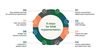
Step 1: Assess and prioritize digital asset requirements
This process entails gaining an understanding of the diverse content types and volumes that demand management. It includes a comprehensive examination of content ranging from images, videos and design files to documents and multimedia resources.
Prioritize assets based on their strategic importance and frequency of use. This step lays the foundation for creating a DAM strategy that is tailored to your organization's specific needs and overarching business objectives.
Step 2: Create your DAM strategy
Once you have completed your digital asset audit, consider these key points when creating your DAM strategy:
Identify organizational needs: Engage team members across departments to gain insight into how digital assets are currently managed and identify areas for improvement.
Set clear objectives: Establishing clear objectives — such as improving collaboration, accelerating content creation and ensuring brand consistency — serves as a roadmap that helps align your DAM implementation process with your organizational goals.
Comprehensive implementation plan: Outline the plan for DAM integration, detailing the specific tasks, timelines and responsibilities involved in each stage of implementation.
Step 3: Choose the right DAM solution
Selecting a DAM solution involves careful consideration of several factors to ensure the chosen system aligns seamlessly with your organizational goals. Here are some key factors to consider when weighing your options:
Scalability: Ensure your DAM solution scales seamlessly with organizational growth, maintaining robust performance despite potential increases in digital asset volumes.
Adaptability: Assess the DAM solution’s capacity to integrate with emerging technologies like cloud computing, AI advancements and other industry trends.
Business requirements: Align DAM features with your unique business needs, whether it’s to improve brand management, automate processes or accelerate product development.
User interface: Selecting a DAM solution that facilitates easy navigation and quick access to assets enhances user satisfaction and productivity.
Integration capabilities: Evaluate how well the DAM solution integrates with other tools and platforms within your organization to ensure a cohesive digital ecosystem.

Expert analysis from Omdia: 10 DAM vendors
This comprehensive DAM market report from Omdia analyzes 10 DAM vendors and details their strengths and limitations. Learn why Omdia named Hyland’s Nuxeo Platform, which includes a DAM solution, a Leader and awarded it the maximum score for advanced capabilities and solution breadth.
Step 4: Involve stakeholders and define their roles
Stakeholder involvement is crucial for successful DAM implementation. Engage representatives from various departments to get their buy-in and ensure that the DAM system meets their unique needs.
Clearly define roles within the DAM ecosystem, establishing responsibilities for asset creation, curation, approval and distribution. This collaborative effort creates a sense of ownership, breaks down silos and ensures the DAM solution meets the specific needs of each user group.
Step 5: Implement a phased rollout
A phased rollout strategy mitigates risks and allows for continued improvements. Begin with a pilot phase involving a select group of users or a specific department. This initial phase serves as a testing ground, providing valuable insights and allowing for adjustments based on user feedback.
Gradually expand the rollout to other teams, continuously refining the system based on real-world usage. This phased approach minimizes disruptions, enhances user acceptance and maximizes the chances of a successful implementation.
Step 6: Budget and allocate resources
Establishing a clear budget and allocating resources are pivotal steps in DAM implementation. Consider the upfront costs of acquiring and configuring the DAM system as well as ongoing expenses such as training, support and maintenance.
Allocate resources for staff training to ensure users are proficient in leveraging the system's capabilities. Additionally, plan for scalability as your organization's digital asset volume may grow over time.
Step 7: Train and monitor user adoption
Effective training is essential for user adoption and maximizing the benefits of a DAM system after deployment. Develop training programs tailored to different user groups, and address the specific needs and workflows of each.
Provide hands-on training sessions, tutorials and documentation to empower users to navigate the DAM system confidently. Encourage ongoing learning and offer support channels to address any challenges users may encounter during the transition.
Step 8: Stay updated and look for continuous improvement
Implementing a DAM system is not a one-time project but an ongoing process. Establish a robust maintenance plan that includes making regular system updates, addressing issues and optimizing performance.
Keep an open line of communication with users to gather feedback and insights on system performance. Act on this feedback to implement continuous improvements, ensuring the DAM system evolves alongside organizational goals and technological advancements.
Tools and resources for DAM implementation
There are several tools and resources that are designed to streamline processes, provide insights and offer guidance on DAM best practices. Let’s look at some of these tools:
Asset migration tools: Allows organizations to transfer content seamlessly and efficiently into their DAM system using cloud integration.
Metadata management tools: Useful for reading, writing and editing metadata in various file types while maintaining metadata integrity during asset migration.
Collaboration and workflow tools: Facilitates the automation of business processes, ensuring efficient collaboration and content workflows.
Training and educational resources: Some solutions offer DAM education, including certification programs, webinars and articles covering a wide range of DAM topics.
Integration and application programming interface (API) tools: Provides prebuilt connectors and integrations for popular DAM systems, simplifying the integration process with content creation and publishing tools.
Analytics and reporting tools: Provides analytics features to track and analyze user engagement, helping organizations make informed decisions about their DAM strategy.
Community forums and support groups: Many DAM solution providers have dedicated forums or user communities where users can seek advice, share tips and troubleshoot issues with the support of the vendor and fellow users.
> Learn more | What is product information management software?
Case studies in DAM implementation
Organizations from various industries have leveraged Hyland Nuxeo to successfully implement DAM, optimizing their workflows and ensuring secure, brand-aligned access to digital assets.
Let’s take a look at how two global leaders harnessed the power of DAM to streamline processes and unlock new levels of efficiency:
How EA accelerated its time to deployment by nearly 50% with a DAM solution

Electronic Arts (EA), a leading global entertainment company, successfully implemented a DAM solution to address the challenges of managing and delivering complex game builds for over 300 million registered players. Faced with an outdated custom-built application, EA chose the Nuxeo Platform for its ability to support agile development.
The platform accelerated product development while minimizing the need for custom coding, efficiently managing the increasing complexity of game builds associated with the latest generation of consoles. It allowed EA to define custom content objects with adaptable metadata and complex fields, aligning with the organization's specific needs.
EA's strategic DAM implementation using the Nuxeo Platform showcases the effectiveness of DAM solutions in addressing the dynamic challenges of managing digital assets in the context of video game development, resulting in enhanced efficiency and successful content delivery throughout the game life cycle.
Global apparel company unlocks cost savings by eliminating DAM silos

A top-tier global apparel company successfully tackled the challenges of managing a large array of digital assets by implementing a DAM solution using the Nuxeo Platform. Facing the demands of the apparel industry, the company aimed to streamline workflows and processes associated with producing, managing and distributing high-resolution images for its diverse clothing and accessory brands worldwide.
The key objectives of the DAM implementation included centralizing assets to eliminate over a dozen DAM silos that hindered efficient asset retrieval. By deploying Nuxeo for DAM, the company built a solution that facilitated self-service search, enabled e-commerce and marketing teams to reuse and distribute current assets effectively, and reduced request times and cost per search.
The solution included a separate branded portal for retail partners, enhancing accessibility and security. This strategic move ensured each retailer only had access to the images permitted, maintaining the exclusivity and security of their content. This successful DAM implementation with Nuxeo Platform helped maintain the company's commitment to efficiency, brand security and standardized processes.
Unlock the power of your digital assets
Implementing a DAM system is critical for organizations seeking to optimize their digital asset workflows. The outlined steps, from strategic planning to selecting and deploying the right DAM solution, provides a structured approach that can cater to the specific needs of any industry. As businesses worldwide recognize the importance of digital assets in their operations, DAM gears organizations toward unlocking their full potential for success in the digital age.
You might also like: