
Why is DAM important?
Organizations are attempting to manage an overwhelming volume of digital assets ranging from images and videos to documents and multimedia presentations. The sheer volume, coupled with the need for quick and flexible access, makes managing digital assets efficiently a challenging yet crucial task.
Mismanagement can lead to wasted time, decreased productivity and potential security breaches. This is where digital asset management (DAM) comes in as an important tool for organizations to facilitate better organization, security and efficiency in managing their digital content.
Let’s explore the best practices in DAM and how teams can harness a DAM solution’s full potential to streamline operations, improve collaboration and maximize the value of digital assets.
Getting started with DAM best practices
To establish an efficient DAM process, organizations must start by building the right foundation for their DAM solution.
Build your DAM foundation
Follow these three steps to set up a strong foundation for your DAM system:
1. Conduct an asset audit
A comprehensive audit of digital assets is a crucial first step to understanding the current state of asset organization and utilization. It helps organizations gain clarity on what they have and how it’s being used.
Some of the key aspects to address during an audit include:
Asset formats
Locations
Asset usage
Access controls
These insights will help inform the next steps in establishing an organized and efficient DAM system.
2. Establish a unified media library
When digital assets are scattered across multiple platforms and systems, it can be challenging to maintain consistency and ensure easy access to all relevant stakeholders.
By centralizing digital assets in one comprehensive library, organizations can ensure every stakeholder — from marketing teams to customer service representatives — works from the latest and most accurate version of any given asset. This unified media library will serve as the primary source of truth for all digital assets, improving collaboration and overall efficiency.
3. Integrate your DAM solution with existing systems
Integrating DAM with other essential business tools is necessary for efficient operations. These tools include customer relationship management (CRM) platforms, content management systems (CMS), product information management (PIM) systems and more.
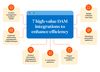
Connecting your DAM solution with other tools your team already uses facilitates the flow of information and assets across different platforms, eliminates information silos and ensures consistency in asset usage.
For instance, harmonizing DAM with CRM systems allows personalized marketing campaigns to be deployed with greater precision and relevance, improving customer engagement.
Similarly, linking DAM to CMS platforms enables dynamic content updates across digital channels, ensuring brand consistency and messaging relevancy in real time.
Structure and organize your digital assets
Knowing what assets you have and where they are is only half the battle won. The next step is to organize them for efficient retrieval and utilization. Here are three vital elements of a well-organized DAM system:
1. Create an organizational structure that aligns to your goals
Proper asset organization requires implementing a logical and consistent DAM taxonomy using folders and tags. This involves establishing a framework with clear hierarchy and classification, making it easier to search and retrieve relevant information as needed across various departments and functions.
For instance, marketing teams may require assets organized by campaign or channel while sales teams may prefer assets categorized according to product lines or customer segments. To address these varying demands, designing a folder structure that is flexible and aligns with the needs of different teams is key.
2. Master metadata management
Metadata provides context to digital assets and helps accelerate the search and retrieval process. It includes information such as asset type, creator, date created and usage rights. This information allows users to understand the asset's intended purpose.
While a DAM taxonomy serves as a virtual blueprint for asset organization, metadata injects meaning and relevance into this structure. Without metadata, even a well-organized asset library can quickly become challenging to navigate as it lacks the intelligence needed to make assets easily discoverable.
3. Use consistent naming conventions
Adopting consistent and descriptive naming conventions for assets is foundational to maintaining DAM effectiveness, particularly when introducing new assets into the system. This practice fosters clarity, making sure all stakeholders use the same language when referring to specific assets.
Consistency in asset naming also prevents duplicates and aids in version control, reducing clutter while ensuring long-term manageability and accessibility.
> Read more: Everything you need to know about DAM
Managing security and compliance in DAM
Ensuring the security of sensitive information is paramount. This is especially true when it comes to digital assets, which are often valuable and confidential.
Here are three key practices to follow for a secure and compliant DAM system:
1. Set up proper data security protocols
Implementing robust security measures is a must for protecting digital assets from potential breaches, especially with remote working and cloud-based systems becoming more prevalent.
Some common security practices include:
Firewalls: Blocks malicious access attempts before they reach your network
Multi-factor authentication: Requires users to provide two or more forms of identification before gaining access to assets
Data encryption: Converts data into code to prevent unauthorized individuals from accessing sensitive information
> Learn more: Fundamentals of cloud data security and protection
2. Implement role-based user access controls
Creating a user hierarchy with defined access privileges is essential for maintaining the security and confidentiality of digital assets. This ensures only authorized users can view, modify, download or delete specific assets.
With role-based user access controls in place, organizations can customize access rights and permissions based on individual user requirements. This tailored approach minimizes the risk of unauthorized access and misuse of digital assets while providing each user with the appropriate level of access needed to perform their tasks effectively.
3. Ensure compliance with legal and regulatory requirements
With data privacy regulations such as GDPR and CCPA becoming increasingly stringent, organizations must ensure their DAM strategy complies. Common concerns that impact DAM include:
Unauthorized use of copyrighted material
Failure to manage expiration dates for licensed assets
Improper documentation of asset usage rights
Industry-specific regulations, such as HIPAA for healthcare
To make compliance management easier, organizations can leverage DAM systems that have built-in features for tracking and managing asset usage rights. This helps ensure assets are used appropriately and within legal boundaries to minimize the risk of legal or ethical violations.

Advanced DAM practices for improved efficiency
After establishing a strong foundation and proper asset management practices, organizations can aim for even greater efficiency by optimizing their DAM processes in these four ways:
1. Enhance your search and user experience
To encourage adoption and consistent use of DAM, it's important to make the navigation experience as seamless and intuitive as possible. The search functionality, in particular, plays a crucial role in how users interact with the system.
Incorporating advanced search capabilities, such as full-text search, faceted search and saved searches, can streamline the search process and deliver more accurate results. Additionally, providing a user-friendly interface that simplifies the navigation process and supports preview capabilities further allows users to quickly find and select the assets they need.
> Read more: 15 essential features of an advanced DAM system
2. Enable real-time updates and notifications
Keeping stakeholders informed about changes or updates to assets is integral to enabling efficient collaboration and asset management. Real-time updates and notifications in DAM workflows make this possible by notifying users of any modifications or updates made to assets they are working on.
By leveraging automated notifications, organizations can ensure assets are always up-to-date and relevant, reducing delays caused by outdated or incorrect versions. This also fosters better communication and collaboration between teams, leading to smoother workflows.
3. Keep your DAM system and transformation parameters updated
Dynamic asset transformation, which involves converting assets into different formats and sizes as needed, facilitates efficient distribution across various digital channels. As digital technologies and standards evolve, this adaptability becomes ever more important for organizations to keep up with changing user preferences and device requirements.

By regularly updating your DAM system and its transformation parameters, your organization can maintain an adaptive and responsive asset library. This maximizes the effectiveness and reach of your digital assets so they remain engaging and relevant to your target audiences.
4. Leverage analytics for insights and optimization
Analytics can uncover gaps and opportunities in asset creation, distribution and usage. With valuable insights into what assets are performing well and which ones need improvement, organizations can optimize their DAM strategies and workflows for maximum impact.
Modern DAM systems often come equipped with robust analytics capabilities, allowing teams to track and measure the performance of their assets across different channels, formats and campaigns. This data-driven approach ensures digital assets are continually evolving and improving, leading to better engagement and ROI.
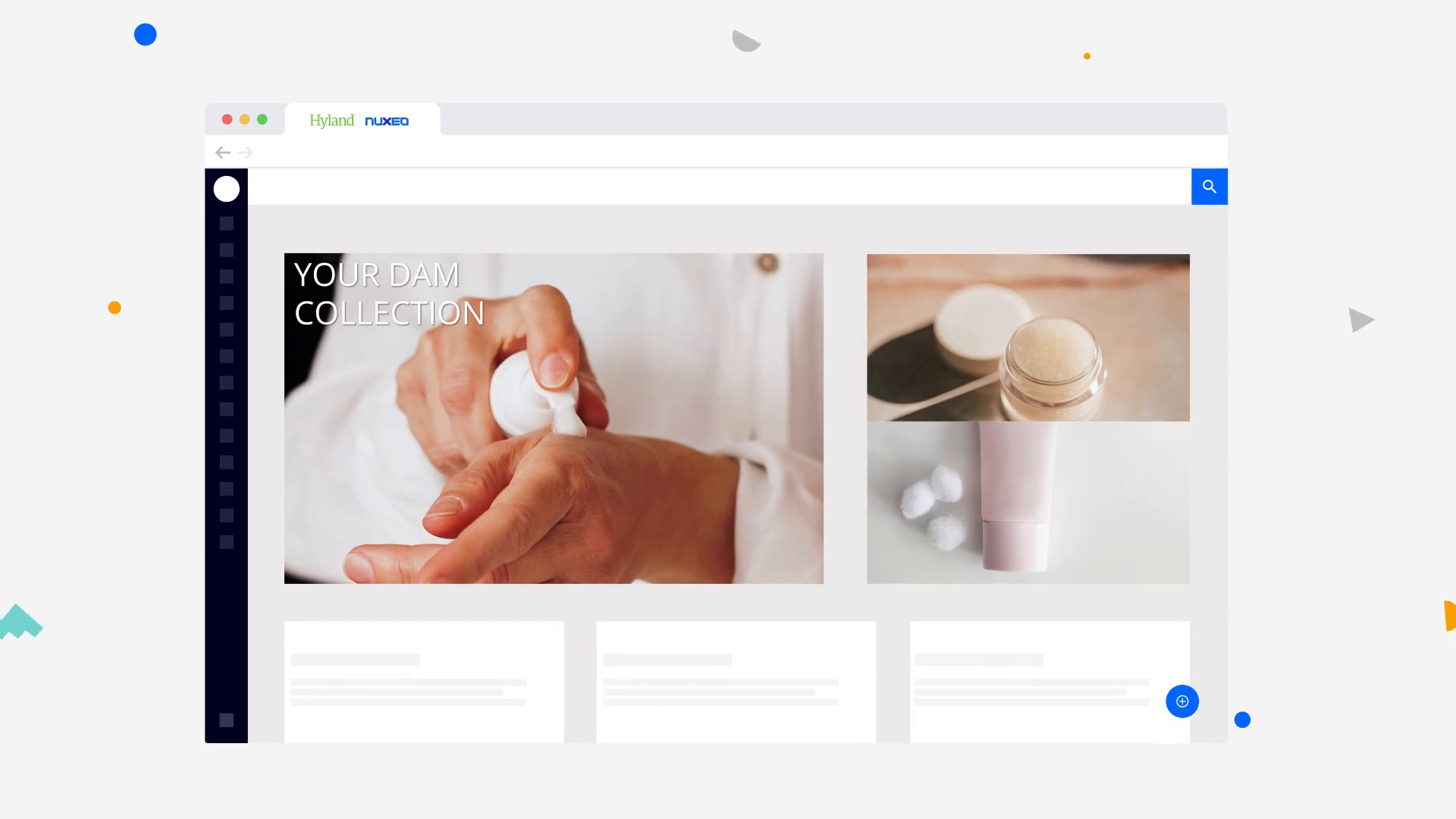
See what an advanced DAM platform looks like in action and explore key features modern organizations need to support an efficient and optimized DAM process.
> Learn more: 15 essential features of an advanced DAM system
How TWBA Worldwide took DAM to the next level
TBWA Worldwide, a global advertising agency, needed a better way to manage assets and collaborate with clients and partners across multiple countries. Leveraging Hyland's Nuxeo Platform, the TBWA team effectively implemented media asset management best practices and built a solution that led to improved operational efficiency and cost-effectiveness.
In just three weeks, TBWA developed an innovative application called GAME (Global Adaptation Management Engine) using Nuxeo Studio that streamlined its adaptation process for international campaigns. Its positive impact was immediate, resulting in:
Improved collaboration with clients and partners during asset creation
Effective automation of crucial tasks like job creation and local adaptation delivery
Transparent talent and usage rights management, ensuring contractual compliance
TBWA's innovation with GAME demonstrates the power and potential of advanced DAM practices and how they can transform business processes for optimal results.
Streamline your DAM practices
Adopting DAM best practices is not just a strategic advantage but a necessity for businesses aiming for operational excellence and competitive differentiation.
By implementing a well-structured, secure and efficient DAM system combined with the right processes and technologies, organizations can unlock the full potential of their digital assets and achieve greater success in their marketing efforts.

Article
The ultimate guide to digital asset management (DAM) implementation
Explore how a successful DAM implementation enhances efficiency, streamlines workflows and unlocks the full potential of your digital assets.

Article
Choosing Open Source DAM Software for Your Needs
Open source digital asset management (DAM) systems are catching the eye of more and more IT teams. Their open API model allow teams to solve infinite problems without adding tools or expensive customization.

Article
The innovator's guide to strategic DAM replacement or consolidation
This guide will help digital asset management (DAM) leaders, CIOs and digital innovators evaluate if it’s time to begin a strategic replacement or consolidation initiative. It also includes 11 recommendations to consider in your next DAM evaluation.

Article
Benefits of DAM in the cloud
Managing your assets in the cloud keeps you well positioned to meet the growing demands for content.