
Executive summary
Enterprise content management (ECM) systems are vital for safeguarding sensitive data against rising cyber threats by ensuring compliance, maintaining data integrity and protecting against unauthorized access, breaches and loss. This is done using audit trails, encryption and access controls,
Implementing ECM security involves assessing needs, selecting vendors and formulating policies. Long-term security requires audits, updates and best practices. Real-world examples showcase ECM's success across various industries.
The future of ECM security lies in enhanced protection via robust ECM systems that use advanced technologies such as artificial intelligence (AI), blockchain and zero-trust architecture to future-proof organizations and ensure long-term success.
Why content management system (CMS) security is crucial
Content management system (CMS) security refers to the practices, protocols and technologies designed to protect digital content.
This includes safeguarding documents, images, videos and other digital assets against unauthorized access, data breaches and other threats.
6 CMS security factors
Effective CMS security ensures content remains accurate, reliable and available only to those with the appropriate permissions, providing:
Protection of sensitive information: Organizations handle vast amounts of sensitive information, including financial records, personal data and intellectual property. ECM systems provide a secure environment for storing them.
Compliance with regulations: Helps businesses comply with strict regulatory requirements and laws such as the General Data Protection Regulation (GDPR), Health Insurance Portability and Accountability Act (HIPAA) and Sarbanes-Oxley Act (SOX).
Data integrity: Safeguards content by protecting against unauthorized alterations and ensuring that all changes are documented and traceable, so businesses can rely on accurate and reliable information to make decisions.
Proper retention and records management: Robust retention schedules and policies ensure documents are kept as required and securely disposed of when needed. This aids in compliance and reduces the risk of outdated information being compromised.
Confidence and trust: With data breaches becoming increasingly common, implementing robust ECM security measures can help build trust and confidence among customers, partners and regulators.
Prevention of financial loss: By preventing unauthorized access and securing sensitive information, ECM systems help organizations avoid the costly consequences of security incidents.

What are the threats to your content security?
Content security threats include cyberattacks and various other challenges. Understanding these threats is essential for developing effective strategies to prevent them. Key areas include:
Unauthorized access
One of the most significant threats to content security comprises:
Internal threats: Individuals with access may misuse it intentionally or unintentionally, such as employees and contractors accessing sensitive information for personal gain or inadvertently sharing it with third parties.
External threats: Cybercriminals are constantly devising new methods to infiltrate CMS’s and steal sensitive information via hacking and social engineering.
Data breaches
Leaks and stolen data can cause the loss of sensitive information, regulatory fines and damage to an organization’s reputation. Common causes include:
Phishing attacks: Cybercriminals use phishing to trick individuals into revealing login credentials or sensitive information.
Malware and ransomware: Malware can disrupt, damage or gain unauthorized access to a system. Ransomware can encrypt data and hold it for ransom.
SQL injection: Involves inserting malicious SQL code into a database query, allowing attackers to access or manipulate the database.
Data loss
This can jeopardize vital information and operational continuity. It can occur due to:
Hardware failures: Physical damage to storage devices, such as hard drives or servers, can lead to the loss of critical data.
Human error: Accidental deletion or alteration of content is a frequent and unfortunate occurrence.
Natural disasters: Events like floods, earthquakes and hurricanes can devastate physical IT infrastructure, leading to significant data loss.
Insider threats
The most challenging threats to detect and prevent are insider threats because they involve trusted individuals with legitimate access to systems and data. They can originate from:
Disgruntled employees: Those unhappy with their job or organization may compromise data security, leak information or sabotage systems.
Negligence: Unintentional actions by employees, such as not observing security protocols or clicking on a phishing link, can compromise data security.

Forrester study: Unlocking the full potential of AI agents
Enterprise-wide AI agent adoption is accelerating
In this Hyland-commissioned study by Forrester Consulting, Forrester found that more than 45% of organizations already use AI agents and another 25% are piloting them. Although adoption is accelerating, most organizations struggle to scale beyond early use cases due to a lack of enterprise context.
Forrester provides key recommendations for how to get AI agents right, as well as detailed data on enterprise trends around agent use. Download this report to learn more about how organizations are looking to AI agents to optimize workflows, make smarter decisions and create more personalized experiences.
How ECM systems ensure content security
ECM systems offer features and functionalities to protect sensitive information and ensure compliance with regulatory requirements. These include:
Preventing unauthorized access
Granular role-based access controls (RBAC) limit users to only the information necessary for their job roles. Whether editing or just viewing, permissions can be inherited from containing folders or individually set based on business or security needs.
Multifactor authentication (MFA) adds extra security by requiring multiple forms of identification. This can include a password, authentication via smartphone apps using single-use codes, PIN or even biometrics.
Virtual private networks (VPNs) and firewalls provide secure, encrypted connections or ‘tunnels’ between the user and the ECM system, preventing external access.
Centralized data storage with stringent access policies ensures that content is stored securely.
Ensuring data integrity
Encryption protects data at rest (stored on a server) and in transit (being transmitted over a network), ensuring it remains unreadable if intercepted.
Audit trails track all document interactions, providing transparency and accountability to maintain data integrity and aid incident investigations.
Compliance and legal protection
ECM systems are designed to help organizations comply with regulatory requirements like GDPR, HIPAA and SOX, with automated compliance reporting capabilities.
This unburdens IT and compliance teams, helping organizations identify and address security and regulatory issues promptly.
Enhancing operational efficiency
Automated workflows help ensure reviews and approvals of business processes are streamlined. This reduces the need for manual intervention, improving efficiency and reducing errors.
ECM systems can manage document retention lifecycles according to regulations and standards, requiring minimal human intervention beyond initial setup and updates.
Protecting against data breaches
Regular security audits identify and fix system vulnerabilities to ensure the system's defenses remain robust, current and protected against emerging threats.
Incident response plans prepare organizations to quickly respond to security breaches, mitigating the impact of a breach and reducing the likelihood of long-term damage.

Strategies to implement ECM security
This requires careful planning, execution and continuous monitoring. Here’s how:
1. Assess your security needs
Find out the specific information needs and security requirements for your organization by identifying the sensitive data, critical content and documents you need to protect.
Understand regulatory requirements and industry standards you are subject to and identify relevant features required for compliance.
2. Select the right vendor
Look for providers with a strong security track record and certifications like ISO 27001 or SOC 2.
Ensure the vendors offer the specific security features your organization needs.
3. Formulate information governance (IG) policies
Plan for document retention and records management schedules, policies and features to keep documents secure.
Effective IG policies will help ensure data availability and business continuity.

4. Design a cohesive implementation plan
Put security at its core, including detailed configuration plans for required features.
Ensure your ECM system architecture includes multiple security layers like firewalls, MFA, VPNs and RBAC.
5. Deploy your solution
Start your system installation by following your implementation plan to install and configure your chosen solution.
Implement security measures like encryption protocols, access control measures, audit trails and others as needed.
6. Test your system
Verify that all security configurations are working as expected. Perform rigorous testing for system load, possible errors and performance issues.
Conduct penetration testing to simulate system intrusions and vulnerability assessments to identify and address any potential security weaknesses.
7. Go-live
Ensure your new ECM system has all the needed security protocols in place before going live. Launch your new system with all the chosen features.
Monitor your roll-out for security incidents or areas for improvement.

Strategies to maintain long-term ECM security
Keeping your ECM system secure isn’t a one-time effort as security threats evolve. It needs a proactive approach, requiring:
Regular audits, updates and checks
Schedule security audits regularly to identify any issues and stay ahead of potential threats.
Apply software patches and updates to fix known vulnerabilities as cyberattacks often exploit outdated systems.
Run compliance checks to stay in line with legal standards and best practices.
Adopting security best practices
Implement access controls like RBAC paired with MFA to guard against unauthorized access.
Use strong encryption to secure data so it remains unreadable without the decryption key if intercepted.
Implement audit trails with detailed logging of user activities to detect and address suspicious activities.
Rigorous retention policies and record management
Configure policies and settings to meet regulatory requirements and ensure critical business documents are protected from unauthorized access or changes.
Update incident response plans and hold drills to respond quickly and effectively to security breaches.
Ongoing user training
Conducting regular security training on common cyber threats keeps employees informed, reduces risks of human error and helps maintain a strong security posture.
Most automated ECM capabilities can work without end-user intervention or specialized training, but system usage and security training are still needed, especially if there are manual security or governance tasks.
Continuous monitoring and improvement
Real-time monitoring can detect and identify unusual activities and flag potential breaches, enabling faster responses.
Establish a feedback loop from security incidents to learn from them and enhance your existing protocols and processes.
Be adaptable and flexible to address new challenges and adopt advanced technologies to remain effective.
Foster collaboration between IT, incident response teams and other departments to cultivate security awareness and share responsibility for ECM security across the organization.

2026 Gartner® Magic Quadrant™ for Document Management
Hyland is offering complimentary access to the 2026 Gartner® Magic Quadrant™ for Document Management — an independent analysis of the leading vendors in the market.
Hyland has been named a Leader, recognized for our broad capabilities, vision alignment and industry expertise.
Use this report to benchmark vendors, build an internal business case, or accelerate your evaluation.
Real-world examples of ECM security success
Here’s how organizations have successfully protected their content with secure ECM systems.
Case study: Financial services industry
A property and casualty insurance company improved its document management by adopting Hyland OnBase.
Consolidating multiple legacy systems into a secure, centralized repository streamlined their claims and underwriting processes. This reduced processing times from two days to 20 minutes and cut costs by over $1.5 million annually.
OnBase’s seamless integration with Guidewire ClaimCenter and its scalability support future expansions, enhancing information accessibility, processing speed and operational efficiency.
> Learn more | Property and casualty insurance company case study
Case study: Human resources management
Naviant, a leading ECM and BPM solutions provider, used Hyland’s ShareBase to streamline its human resources onboarding process.
To address inefficient paper-based document submission, Naviant leveraged ShareBase to create secure, web-based folders and allow new hires secure access to review and submit necessary forms.
This eliminated the paperwork, improving information security and engagement of the hiring process.
> Learn more | Naviant case study
Case Study: Government institution
Lantik, S.A., the public information services society for Spain’s Bizkaia Provincial Council, faced inefficiencies with three separate document repositories used by different applications.
Using Hyland Alfresco, Lantik partnered with Varios to consolidate over a million documents into a single, secure repository.
This transition has led to over 50% annual cost savings and boosted productivity for over 10,000 users managing more than 100 million documents.
> Learn more | Lantik S.A. case study
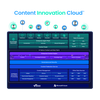
Hyland's ECM product suite
Transform how your organization manages data and connects information at every stage of the content journey.
Hyland’s modern, intelligent platforms give your teams the tools they need to deliver their best today, while empowering them to innovate and adapt for the opportunities of tomorrow.
The future of ECM security
As cyberattacks become more sophisticated, organizations are focusing on advanced threat detection and response capabilities.
Innovations in ECM security technology
As new risks and threats appear, businesses are turning to:
AI and machine learning (ML) to enable real-time threat detection, predictive analytics and automated response to security incidents.
Behavioral analytics for tracking unusual user activities, helping to predict, detect, prevent and respond to potential breaches.
Using cloud deployments to enhance ECM security
Modern ECM systems leverage cloud-based repositories to secure content.
Contrary to perception, cloud storage is resilient to security risks, with reputable providers offering robust, multilayered security features such as:
Enhanced security infrastructure of reputable providers like AWS, GCP and Azure includes automated threat detection, encryption key management and regular security updates.
Automated advanced encryption, access controls, secure collaboration tools and built-in compliance with GDPR, HIPAA and SOX, **suitable for regulated and IP-heavy industries.
**
Data redundancy and disaster recovery options, with automated backups and data replicated across multiple data centers, allowing faster recovery than on-premise systems.
Scalability and flexibility inherent to cloud-based solutions scale security as your organization grows to offer speed, agility and resilience.
Consistent uptime and data availability to ensure information is accessible to authorized users anytime and from anywhere.

What the next decade will bring to ECM security
ECM security is poised for transformative changes driven by technological advancements such as:
Advanced AI Integration: Proactive threat detection by ML and AI will analyze real-time data and past incidents to detect and predict vulnerabilities, continuously improving security to guard against evolving threats with minimal human intervention.
Blockchain technology: Blockchain will ensure immutable records and enhance transparency with unalterable audit trails, offering clear document histories for regulatory audits.
Zero trust architecture: Zero trust models will require continuous user and device verification, limiting access to only what's necessary and preventing security breaches.
Quantum-resistant encryption: Sensitive data will be safeguarded against quantum computing threats with advanced encryption.
Enhanced mobile security: Mobile access security will be augmented with stronger authentication and integrated mobile device management (MDM).
Ensuring content security with ECM systems
As businesses continue to embrace modernization, the importance of robust content security cannot be overstated.
ECM systems provide a comprehensive solution that addresses the complexities of protecting digital assets in a rapidly evolving technological environment.
Invest in a robust ECM system now to safeguard your content and future-proof your organization for long-term business success.

Article
The essential guide to DAM vs CMS: Understanding the differences
Unlock the power of efficient content management with our guide to DAM vs CMS and learn how these solutions can streamline workflows for optimal productivity.

Article
Optimizing efficiency: Best practices in digital asset management (DAM)
A guide for streamlining your DAM process, from organizing and securing digital content effectively to advanced practices for facilitating efficient workflows.

Article
Cloud Content Services: Foundation for Remote Workforce
Cloud technology removes barriers that organizations historically relied upon physical office environments to overcome — including security, collaboration and a sense of culture.

Article
Understanding cloud security
Cloud security is top of mind for most organizations leveraging cloud computing. The concept is simple, but the execution is complex and everchanging. Most importantly, the risks/rewards can be immense and long-lasting.